Free Online Screen Savers – No Download Required
Transform your display with beautiful, interactive screensavers that run right in your browser. Choose from digital clocks, productivity timers, ambient animations, and mesmerizing visual effects — perfect for idle screens, desk displays, presentations, and relaxation.
Fullscreen screensavers • Animated backgrounds • No installation • Works on Windows, Mac, Linux, Chromebook & mobile
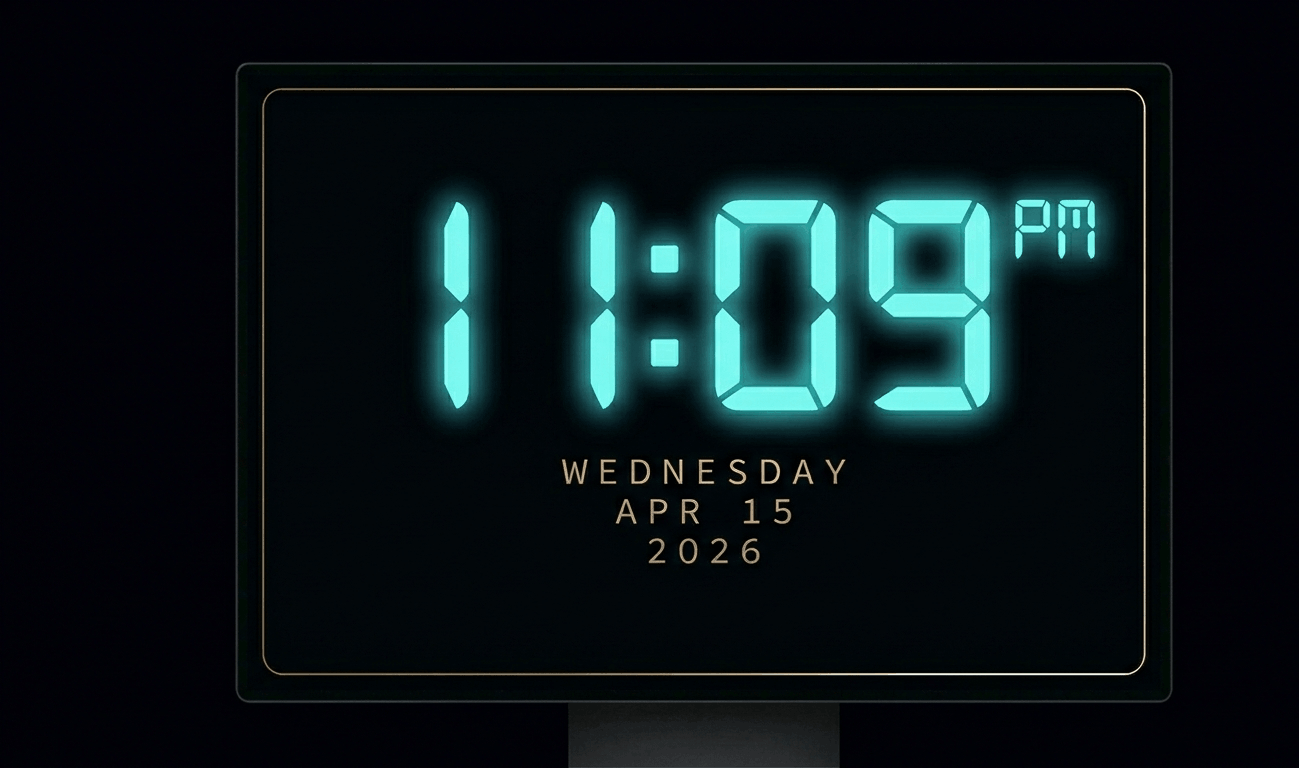
Digital Clock Screensaver
Beautiful digital clock screensaver with 10 color themes, 4 fonts, glow effects, and Wake Lock API. Runs fullscreen in y
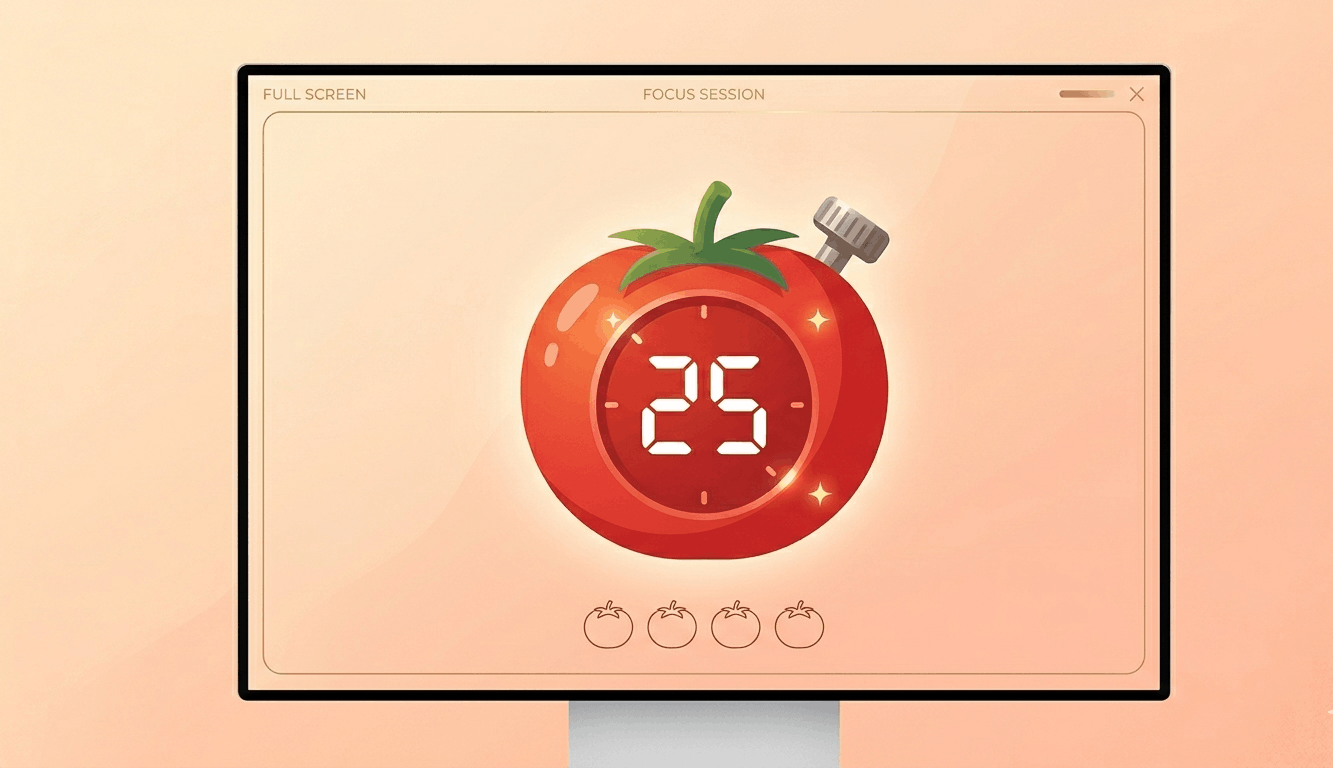
Pomodoro Timer
Free Pomodoro timer with customizable durations, sound alerts, progress ring animation, and session tracking. Boost your
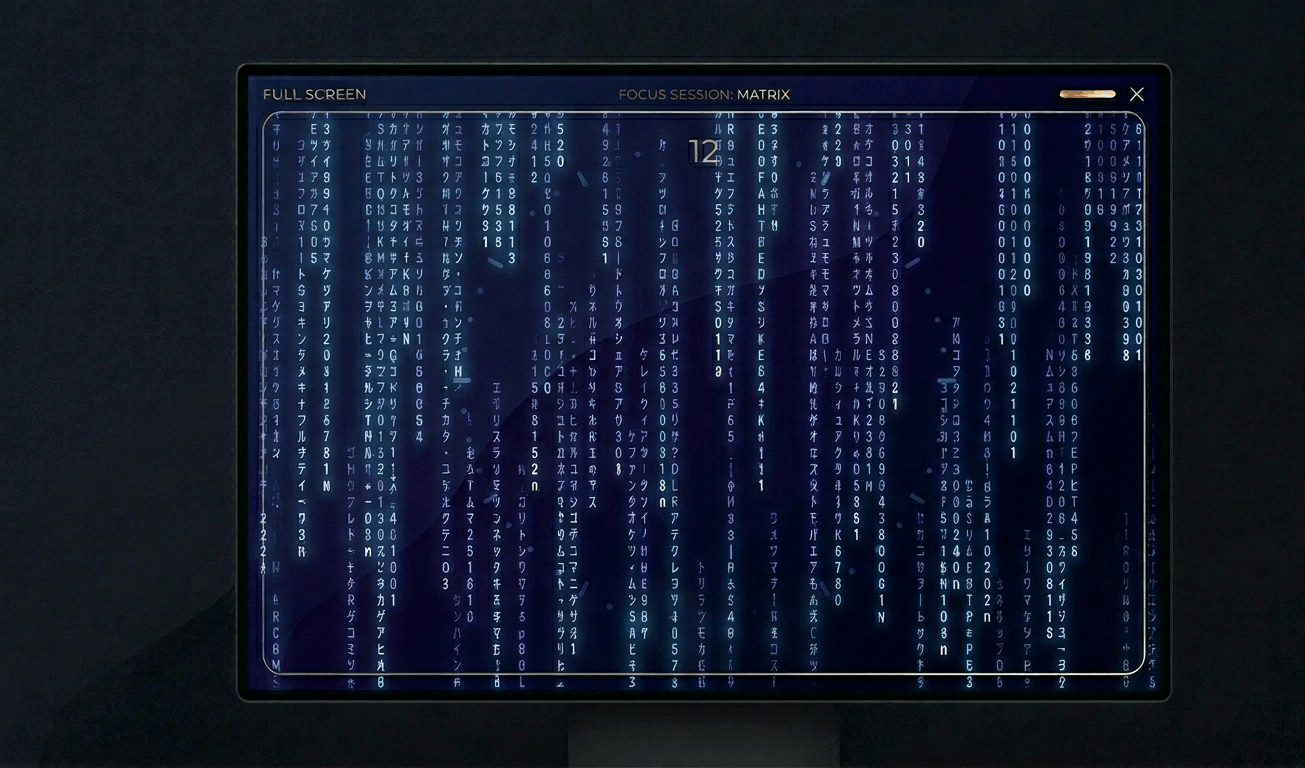
Matrix Rain Screensaver
Classic Matrix-style green falling code screensaver with customizable speed, density, colors, and character sets (Kataka

Rain on Window Screensaver
Relaxing rain on window screensaver with realistic raindrops, lightning flashes, thunder sound, and fog effect. Perfect

Starfield / Space Travel
Hypnotic 3D starfield screensaver with warp speed control, nebula colors, and shooting stars. Travel through space in yo
Custom Text Screensaver
Display custom text fullscreen with animations. Choose bounce, scroll, fade, or float effects. Customizable font size, c